Follow Me On Social Media!

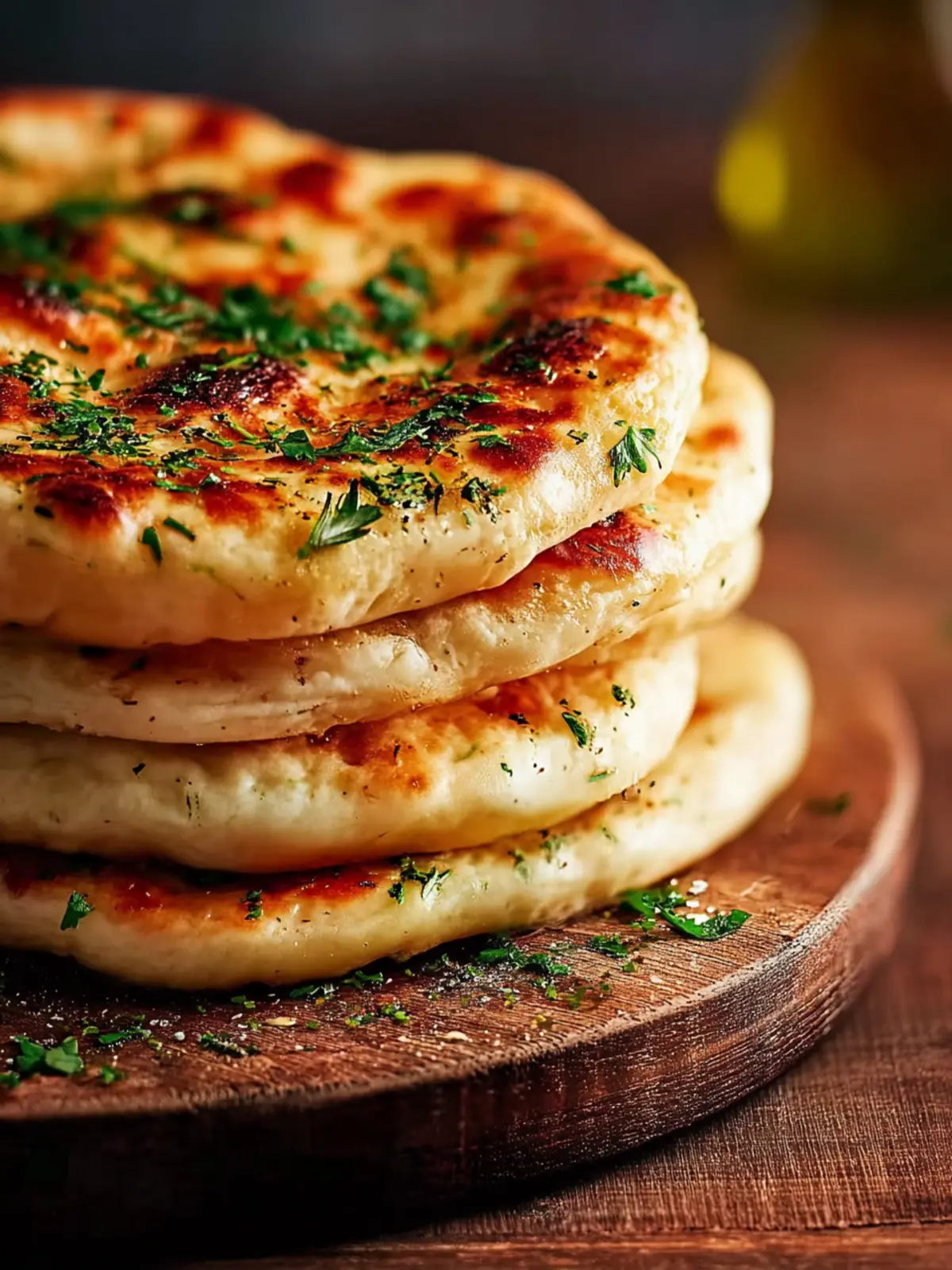
Homemade Flatbread: The Best Comfort Food You Can Make!

Introduction to Homemade Flatbread
Homemade flatbread is not just a staple; it’s an experience that brings everyone to the table. Picture the aroma of freshly baked flatbread wafting through your kitchen, drawing you in with its inviting scent. This versatile creation can be paired with countless toppings or enjoyed simply on its own, showcasing the beauty of what simple ingredients can achieve. The magic of making flatbread at home lies in its adaptability! Whether you want to whip up a quick snack or impress guests at a gathering, homemade flatbread is your go-to.
What makes homemade flatbread so special?
There’s something truly satisfying about crafting your own homemade flatbread. Let’s dive into what makes this culinary delight so special and beloved in many cultures around the globe.
-
Simplicity of Ingredients: You won’t need a long list of complicated ingredients. Basic staples like flour, water, and salt form the foundation of your flatbread, reflecting the beauty of simplicity in cooking. When you make flatbread at home, you control the quality and freshness—no preservatives or additives here.
-
Endless Possibilities: One of the best aspects of homemade flatbread is its versatility. Want to reinvent it every time you bake? You can easily add herbs, spices, or seeds to the dough, tailoring it to your palate or the dishes you plan to serve. Think garlic-infused, rosemary-scented, or even spice-laden versions for a fiery kick.
-
Cultural Connection: Many cultures embrace flatbread as a fundamental part of their culinary tradition. From Middle Eastern lavash to Indian naan, each variety tells a story and serves a purpose. Making your own flatbread creates a connection to these global traditions while allowing you to create your own twist.
-
Sharing and Community: The act of making flatbread can be a communal affair; whether it’s with family or friends, it invites collaboration. Gather around the kitchen counter, roll out the dough, and share stories and laughter as the flatbreads cook to golden perfection.
By embracing the journey of creating your own homemade flatbread, you’re not just preparing a dish—but crafting memories and exploring flavors. So, roll up your sleeves, gather your ingredients, and get ready to enjoy the satisfying experience of making flatbread from the comfort of your own kitchen!
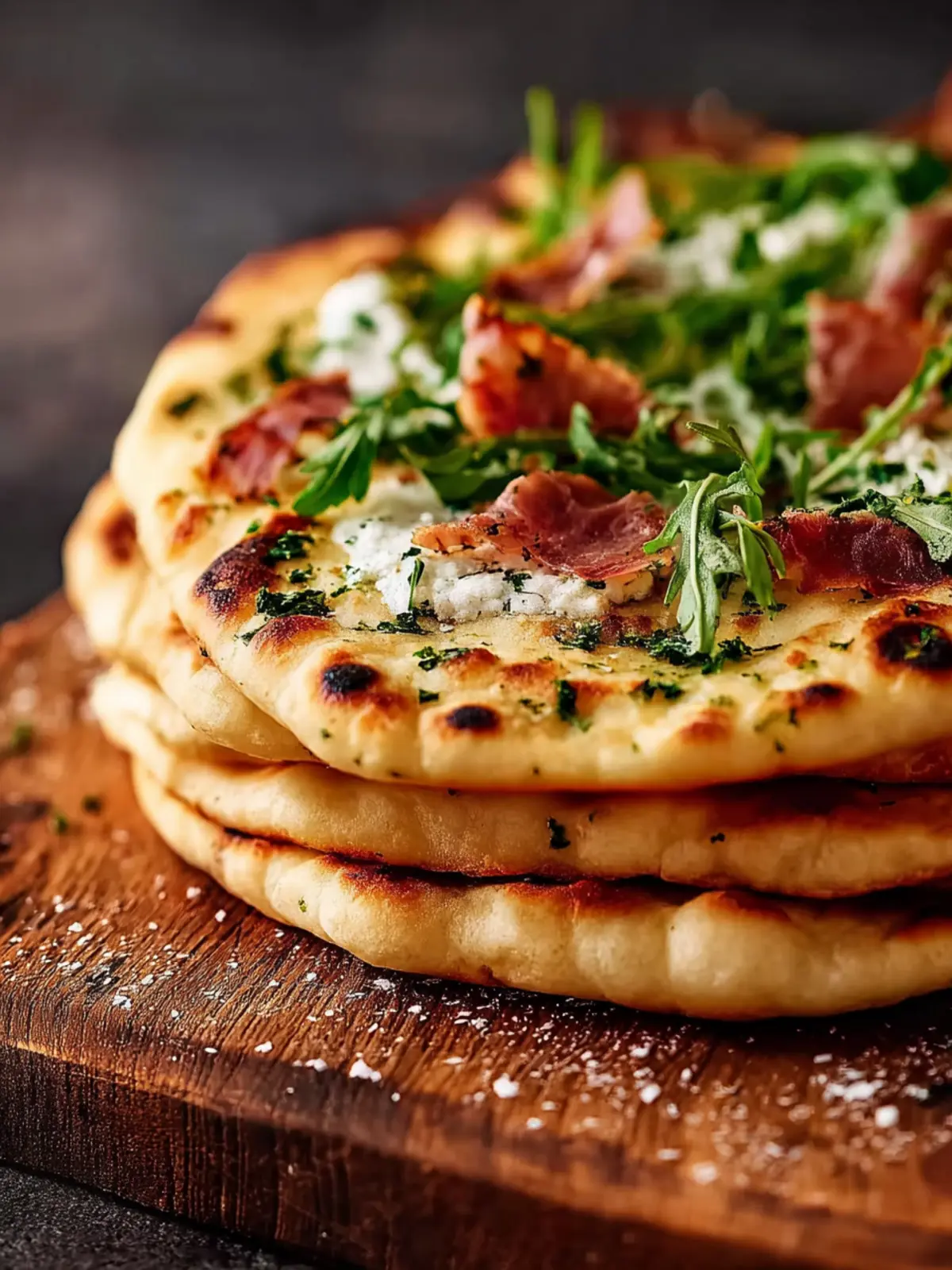
Key Ingredients for Homemade Flatbread
Creating homemade flatbread is a delightful journey, one that transforms simple ingredients into a warm, soft bread perfect for countless meals. Let’s dive into the essential components needed for this delicious staple.
Flour: The foundation of any flatbread is flour, and I prefer using all-purpose flour for its balance of protein and tenderness. This gives the flatbread its lovely chew. If you’re experimenting, a 1:1 gluten-free blend can substitute well too.
Water: Hydration is key! Warm water not only helps to activate the gluten in the flour but also ensures the dough remains pliable. Remember, adjusting the amount slightly may be necessary depending on your flour type.
Salt: Never underestimate the power of salt! It enhances the flavor of your homemade flatbread and helps to strengthen the dough. Just a pinch goes a long way in elevating the overall taste.
Olive Oil: Adding olive oil to the dough enriches the texture and flavor. It makes the flatbread extra soft and adds a subtle fruity note, making each bite irresistible.
Baking Powder: This is optional but can help your flatbread puff up just a bit during cooking, adding a nice texture.
By understanding and respecting these key ingredients, you’ll be on your way to crafting a perfect batch of homemade flatbread that can complement any meal or stand deliciously on its own.
Why You’ll Love This Recipe
Homemade flatbread is more than just a delicious addition to your meal; it’s a culinary experience that’s deeply satisfying and incredibly rewarding. Picture yourself in your kitchen, flour dusting your countertops as you mix simple ingredients to create something wholesome and versatile. This recipe guides you through a process that turns basic components into a beautifully soft, slightly chewy flatbread that you can enjoy in countless ways.
Here are a few reasons why you’ll fall in love with this homemade flatbread:
-
Simplicity and Speed: With just a handful of ingredients, this recipe comes together in no time. You don’t need to be a seasoned baker; if you can stir and knead, you’re halfway there!
-
Versatile Pairing: Whether you enjoy it with dips, stuffed with your favorite fillings, or served alongside soups and stews, this flatbread complements any dish. Feel free to experiment with toppings – the possibilities are endless!
-
Healthier Option: By making your flatbread at home, you control the ingredients. This means no preservatives or additives – just wholesome goodness that you can feel great about serving.
-
Culinary Bonding: Making bread from scratch is a wonderful activity to share with friends or family. Imagine inviting loved ones over for a homemade pizza night and crafting your flatbread together.
Embrace the joy of creating with this homemade flatbread recipe, and discover how it easily becomes a staple in your kitchen!

Tips for Making Perfect Homemade Flatbread
Crafting homemade flatbread can be an incredibly rewarding experience, and with a few insider tips, you can elevate your flatbread game to the next level. Let’s dive into the essentials that will lead you to create the most delicious, pillowy flatbreads.
Pay Attention to Your Dough
The heart of great homemade flatbread starts with the dough. Make sure to knead it just enough to develop elasticity, but avoid over-kneading to prevent it from becoming tough. A gentle touch can make all the difference!
Resting is Key
After kneading, allow your dough to rest for at least 30 minutes. This not only helps in gluten development but also makes it easier to roll out. A rested dough will yield a more tender flatbread that puffs up beautifully when cooked.
Keep the Rolling Even
When rolling out the dough, aim for an even thickness. If it’s too thick, your flatbread may not cook through, and if it’s too thin, it could burn. A rolling pin does wonders here, but your hands can work just as well with a little practice.
Preheat Your Cooking Surface
Whether you’re using a skillet or an oven, make sure it’s properly preheated. High heat is crucial in achieving those lovely charred spots that give flatbread its signature flavor.
Explore Flavor Variations
Don’t hesitate to experiment with herbs and spices. Incorporating ingredients like rosemary, garlic, or even a sprinkle of cumin can add a delightful twist to your flatbread’s flavor profile.
By following these simple tips, you’ll be well on your way to mastering homemade flatbread that impresses not just yourself but anyone lucky enough to share it with you!
Time Details for Homemade Flatbread
Making your own homemade flatbread is a delightful culinary adventure that takes less time than you might expect. Picture yourself whipping up this versatile bread, perfect for wraps or dipping, in just a short span of time!
Preparation time
This recipe has a preparation time of about 15 minutes. Gather your ingredients, and let the dough come together effortlessly.
Cooking time
You’ll spend roughly 10 minutes cooking your flatbreads on the stove. A quick flip, and you’ll have those golden-brown beauties ready to serve.
Total time
In total, you’re looking at around 25 minutes from start to finish. That’s right—wholesome, homemade flatbread can be yours in no time! So, roll up your sleeves and let’s get cooking!
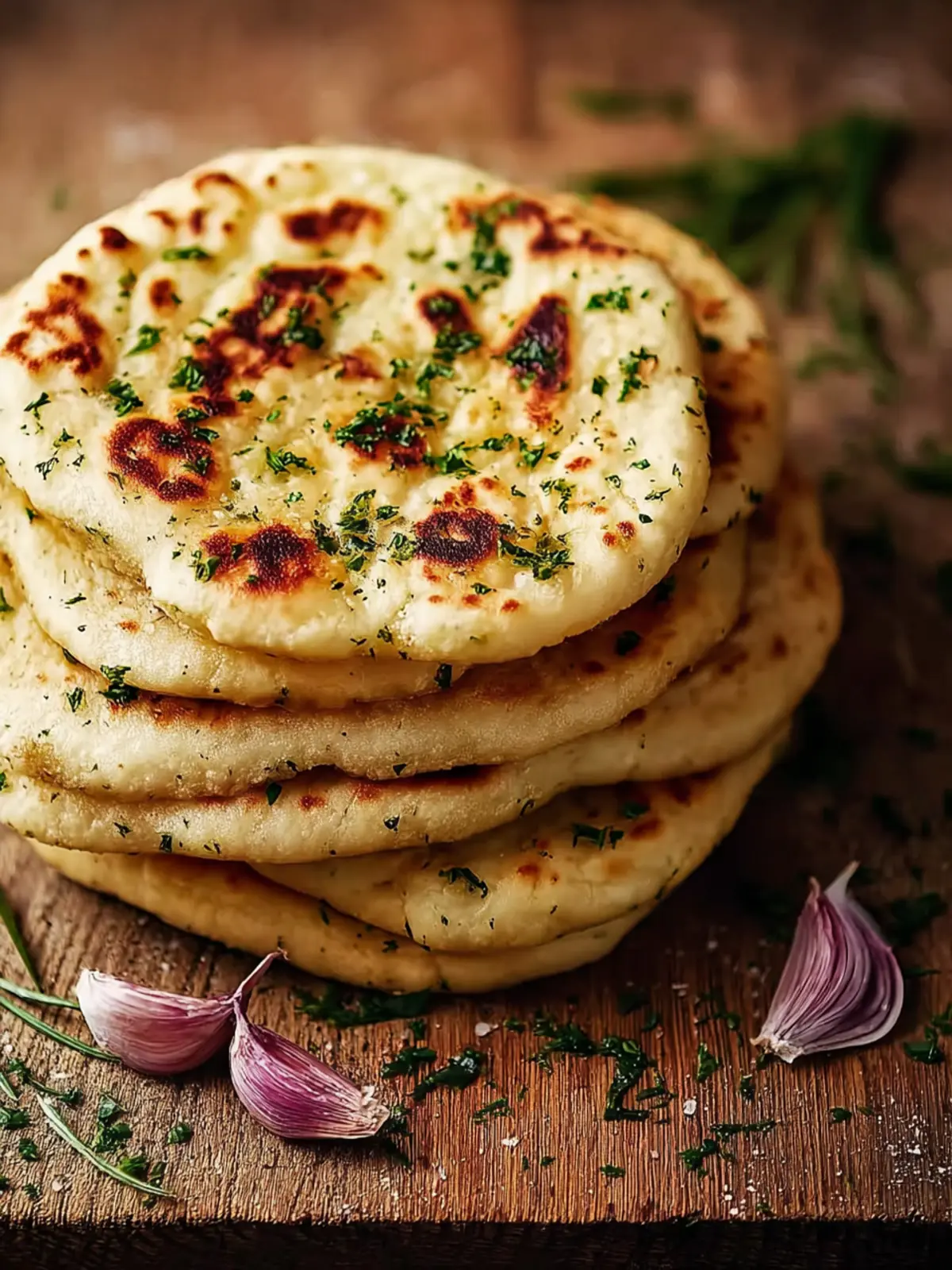
Nutritional Information for Homemade Flatbread
Creating homemade flatbread is not just about the delightful flavor and texture; it’s also about the nutrition packed into each bite. Knowing the nutritional content can enhance your meal planning and help you enjoy this delicious bread guilt-free.
Calories
Each serving of homemade flatbread contains approximately 120 calories. This makes it a great base for countless toppings without overwhelming your calorie count.
Protein
In terms of protein, homemade flatbread offers around 3 grams per serving. While it won’t replace a protein-heavy meal, it provides a nice addition to a balanced plate.
Sodium
When you make your own flatbread, you have full control over the sodium content. A typical serving contains about 200 milligrams of sodium, allowing you to season it to your taste without going overboard.
FAQs about Homemade Flatbread
Making homemade flatbread can spark a little culinary magic in your kitchen, but you might still have a few questions swirling in your mind. Here are some commonly asked questions to help guide your flatbread adventure.
How can I make my flatbread softer?
If you’re after that pillowy softness in your homemade flatbread, consider these tips:
- Add Yogurt or Milk: Incorporating yogurt or milk in the dough helps tenderize the bread and adds a subtle flavor.
- Knead Less: Over-kneading can create a tough texture. Aim for just enough kneading to bring the dough together.
- Let it Rest: Allowing your dough to rest for at least 30 minutes before rolling it out can develop the gluten and lead to a softer bite.
Can I use different flours?
Absolutely! While all-purpose flour works wonderfully for homemade flatbread, feel free to experiment:
- Whole Wheat Flour: This can add a nutty flavor and more fiber. You might need a bit more water for the dough.
- Gluten-Free Blends: Many people enjoy using gluten-free flour blends. The key is to ensure you have a binding agent like xanthan gum in your mix.
- Spelt or Rye: Using these can provide unique flavors and textures — just remember to adjust the liquid for different absorption rates.
How do I store homemade flatbread?
To keep your homemade flatbread fresh:
- Room Temperature: Store flatbreads in an airtight container or wrapped in a clean kitchen towel for up to two days.
- Freezing: For longer storage, place flatbreads in a freezer bag, separating each with parchment paper, and they can last for a couple of months. Just reheat in a skillet when you’re ready to enjoy!
With these tips, you’re on your way to mastering the art of making flawless homemade flatbread that’s sure to impress!
Conclusion on Homemade Flatbread
Making homemade flatbread is not just about following a recipe; it’s about embracing the process and enjoying the delightful results. Picture this: the aroma of warm, freshly cooked flatbreads fills your kitchen, and you can’t wait to take that first bite. Whether you’re using it as a side for your favorite meal or wrapping a fresh filling, the versatility of flatbread is truly remarkable.
Now that you’ve mastered the steps in this recipe, don’t hesitate to experiment with flavors and toppings to make them your own. Homemade flatbread is more than food—it’s a canvas waiting for your culinary creativity. Enjoy!
Print
Homemade Flatbread
- Total Time: 35 minutes
- Yield: 10 flatbreads 1x
- Diet: Vegetarian
Description
A simple and delicious flatbread recipe that you can enjoy warm or cold.
Ingredients
Scale
- 1 cup lukewarm water (about 105˚F)
- 2 teaspoons active dry yeast
- 1 tablespoon sugar
- 0 cups plain yogurt
- 2 tablespoons olive oil
- 1 tablespoon salt
- 0 tablespoon dried basil
- 0 tablespoon dried oregano
- 1 teaspoon garlic powder
- 3 cups all-purpose flour
- 0 cups chopped fresh parsley
- 0 cups olive oil (for brushing)
Instructions
- In a large mixing bowl, whisk together the lukewarm water, yeast, and sugar. Let it sit for 8 to 10 minutes, or until foamy.
- Whisk in the yogurt, olive oil, salt, dried basil, oregano, and garlic powder.
- Add in all-purpose flour and chopped parsley, mixing with a wooden spoon until the dough begins to come together.
- Generously sprinkle flour on your counter, then turn the dough onto it. Knead for about 4 minutes, sprinkling more flour if sticky.
- Divide the dough into 10 equal pieces, shaping each into a small ball.
- Dust the dough balls lightly with flour and cover them with a kitchen towel. Let them stand for 15 minutes.
- Heat a frying pan over medium-low heat.
- Take a dough ball and roll it out into a 7-inch circle, brushing the top with olive oil before cooking.
- Place the rolled-out dough, oiled side down, in the hot pan. Cook for about 1½ minutes or until bubbles appear.
- Brush the top with olive oil while cooking.
- Flip the flatbread over and cook for another minute or until golden brown. Transfer it to a plate and keep it warm by covering with a kitchen towel.
- Repeat for the remaining dough balls.
- Enjoy the flatbreads warm or cold as a delightful accompaniment to any meal.
Notes
- Flatbreads are best enjoyed warm but can be served cold as well.
- Experiment with different herbs or spices for variation in flavor.
- Store leftovers in an airtight container to maintain freshness.
- Prep Time: 15 minutes
- Cook Time: 20 minutes
- Category: Bread
- Method: Pan Fried
- Cuisine: Mediterranean
Nutrition
- Serving Size: 1 flatbread
- Calories: 150
- Sugar: 0g
- Sodium: 200mg
- Fat: 5g
- Saturated Fat: 0.5g
- Unsaturated Fat: 4.5g
- Trans Fat: 0g
- Carbohydrates: 25g
- Fiber: 1g
- Protein: 3g
- Cholesterol: 0mg